
The Allure of Casino Games
The psychology behind why we are drawn to casino games can be traced back to fundamental human behaviors and desires. People play these games for various reasons, including the thrill of the unknown and the rush associated with gambling. For many, the excitement that accompanies the prospect of winning can create a euphoric experience, triggering the release of dopamine in the brain—often referred to as the “feel-good” chemical. This neurochemical reaction can provide a sense of pleasure that keeps players returning for more. Additionally, in exploring different ways to enjoy their gaming experience, some may find themselves interested in a casino betting app designed to enhance their play.
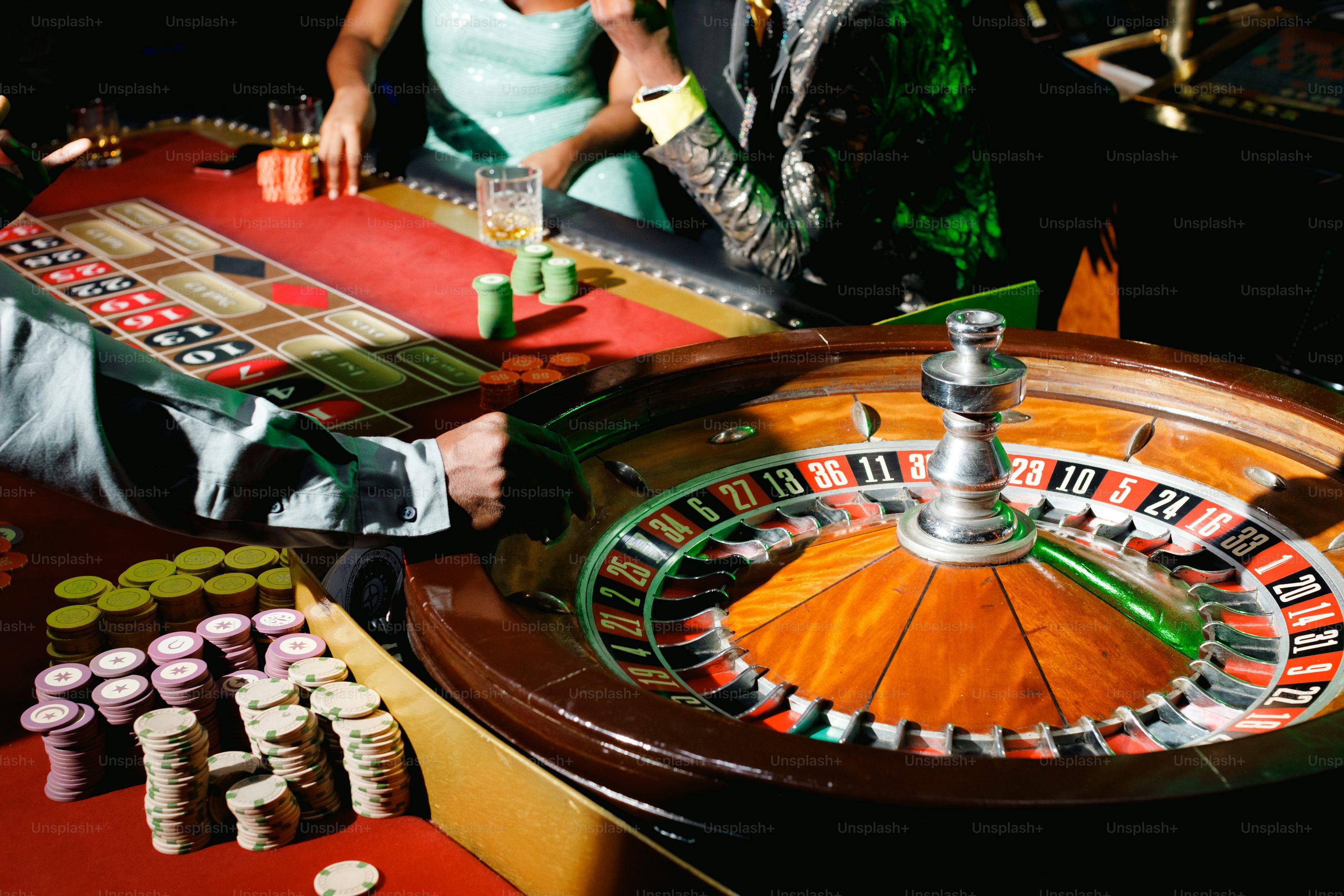
Moreover, casinos are designed to create an immersive environment that enhances this allure. The sounds of slot machines, the sights of flashing lights, and the ambiance of excitement contribute to a vibrant atmosphere that keeps players engaged. This sensory stimulation serves to heighten the thrill, making each moment spent in the casino feel exhilarating and, at times, addictive.
The Role of Risk and Reward
The concept of risk and reward plays a vital role in the psychology of casino gaming. Players are often drawn to the idea of potentially winning large sums of money with a relatively small investment. This imbalance between risk and reward can lead to what is known as ‘gambling fallacy,’ where players believe that a win is due after a series of losses, prompting them to gamble more. Such beliefs can sustain engagement and, in some cases, lead to problematic gambling behaviors.
Furthermore, casinos exploit this psychological tendency by implementing strategies such as offering bonuses or rewards for frequent play. These incentives can reinforce the behavior, as players may feel a sense of accomplishment and validation when they receive rewards, even if they have incurred losses. Thus, the continuous interplay between risk and reward becomes a driving force behind the gaming experience.
Emotions and Decision Making in Gambling
Emotions significantly influence decision-making processes in casino environments. Many players make choices based on feelings rather than logical reasoning. For example, a player experiencing a winning streak may feel invincible and decide to place larger bets, often leading to greater losses. Conversely, a player who has faced several losses may become more conservative or chase their losses in an attempt to regain what they have lost, further intensifying the emotional rollercoaster.
Additionally, social dynamics at casinos can amplify emotional responses. Players often share their experiences, celebrate wins, and commiserate over losses with others. This social aspect can lead to groupthink phenomena, where individuals may feel pressured to gamble more or take higher risks based on others’ behaviors. Such dynamics further underscore how intertwined emotions and social settings are within the realm of gambling.
The Impact of Casino Design on Player Behavior
Casino design is crucial in shaping player behavior and enhancing the gambling experience. The layout, lighting, sounds, and overall aesthetic are meticulously crafted to maximize engagement. For example, casinos often lack windows and clocks, creating a sense of timelessness that encourages players to spend more time inside. This intentional design can lead to extended gaming sessions and unwittingly increase the amount wagered.
Furthermore, the arrangement of games is strategically planned to direct foot traffic towards high-payout machines and tables. By observing how players gravitate towards specific zones, casinos can effectively manipulate movement and increase playtime. This thoughtful orchestration of the environment is not merely coincidental; it is rooted in psychological principles aimed at enhancing the gaming experience and encouraging repeat visits.

Understanding Online Casino Dynamics
As technology evolves, the landscape of casino gaming has shifted, with online casinos gaining prominence. The psychological principles that govern traditional casinos also apply to their online counterparts. Players often experience the same thrill and excitement when gaming from home, but the anonymity and accessibility of online platforms can exacerbate certain gambling behaviors. The ease of access encourages spontaneous play and can lead to increased expenditure.
Online casinos also implement various psychological techniques, such as gamification elements and interactive features, to enhance user engagement. These elements create a sense of community and competition, which can further entice players to participate frequently. Understanding the dynamics of online casinos is crucial for both players seeking enjoyment and for stakeholders aiming to promote responsible gambling practices.
